If you are asking “where can I sell my watch?”, there are six main routes in the UK: a dealer buy-in, a part-exchange against another watch, consignment, an auction, an online marketplace such as Chrono24 or eBay, and a private sale. A dealer is usually the quickest and simplest buyer. Selling to the end buyer yourself means fees, more work and more exposure to fraud, in return for setting your own asking price.
A buy-in is a dealer buying your watch outright for its own stock. This guide is general information, not financial or legal advice, and gives no prices for any watch.
What are the ways to sell my watch in the UK?
You can sell to a dealer for cash, trade the watch in against another, let a dealer or platform sell it for you on consignment, put it into an auction, list it yourself on a marketplace, or sell privately. Each route differs in how fast you are paid, what it costs, and who carries the risk if the buyer turns out to be a fraudster.
| Route | How it works | Speed | Published fee example | Your protection as seller |
|---|---|---|---|---|
| Dealer buy-in | The dealer inspects the watch, makes an offer and pays you | Usually the quickest: one buyer, one transaction | No fee as such; the dealer’s costs and margin are inside the offer | You deal with a business; get the offer and payment terms in writing |
| Part-exchange | The dealer sets an allowance for your watch against one you buy from it | Same transaction as your purchase | No separate fee; the allowance comes off the price of the watch you buy | Consumer Rights Act 2015 rights apply to the watch you buy from the dealer |
| Consignment | A dealer or platform holds and sells the watch for you and keeps a share when it sells | Depends on when a buyer is found | Set by each consignor; ask for it in writing | A written agreement covering insurance, the minimum price and payment date |
| Auction | The house catalogues the watch and sells it in a scheduled sale | Set by the sale calendar, then settlement | A seller’s commission on the hammer price plus VAT, and often per-lot charges, set in each house’s published terms | The house’s terms of business |
| Chrono24 | You list the watch; the buyer pays through Chrono24’s checkout | Depends on finding a buyer | Seller-side commission of about 6.5%, as reported by Watchscanning (July 2026); check Chrono24’s current rate | Payment held by the platform and released after delivery |
| eBay | You list the watch; payment goes through eBay | Depends on finding a buyer | No final value fee for UK private sellers (motors excepted); other fees can apply | eBay’s rules and payment process |
| Private sale | You find the buyer and handle payment and handover | Depends on finding a buyer | No platform fee | Least protection: payment checks are down to you |
Sources: Watchscanning, Is Chrono24 legit? (updated 23 July 2026); eBay, selling fees (updated 30 September 2026). All checked 29 October 2026. Fees change; read the current terms before you commit.
The routes overlap. A dealer may offer a cash price and a higher part-exchange allowance; an auction house may also take watches for private sale. Ask each one what it offers.
What would you actually take home under each route?
Fee percentages are easy to read past without seeing what they mean in cash terms. The worked figures below use a watch that might sell for around £6,000 on a marketplace listing; they are illustrative only, built from the published fee structures already cited above, not a valuation of any specific watch.
| Route | What you’d expect to net | How it’s worked out | What eats into the figure |
|---|---|---|---|
| Dealer buy-in | A single offer, below marketplace price | The dealer prices in checks, servicing, warranty and its own margin before quoting you | No listing fee, but the lowest headline figure of the routes |
| Chrono24 listing at £6,000 | Roughly £5,610 after the platform’s cut | About 6.5% seller-side commission, per Watchscanning’s July 2026 report, taken when payout is released | Shipping, insurance and the time it takes to find a buyer at that price |
| eBay listing at £6,000 | Close to £6,000 before postage costs | No final value fee for UK private sellers outside motors, per eBay’s own fee page | Optional listing upgrades, and fees on sales delivered abroad |
| Private sale at £6,000 | The full £6,000 agreed, minus your own postage and any payment-service fee | No platform cut | Your time, the work of finding a buyer, and carrying all the fraud risk yourself |
| Auction, low estimate around £5,500 | Hammer price minus the house’s seller’s commission, VAT on that commission, and any per-lot charges | Each house’s own rate card; get the exact figures before consigning | A sale that doesn’t reach its reserve, and payment only once the sale has settled |
Sources: Watchscanning, Is Chrono24 legit? (updated 23 July 2026); eBay, selling fees (updated 30 September 2026). Checked 29 October 2026; these percentages change, so check each platform's current terms before listing.
The pattern worth noticing: the routes with the biggest cut (marketplaces, auction) are also the ones where you set the asking price or the house estimates one for you, rather than accepting a single offer. Whether that trade-off is worth it depends on how much your time and the hassle of finding a buyer are worth to you, not just the headline percentage.
How does selling a watch to a dealer work?
You send photos or take the watch in, the dealer inspects it and makes an offer, and if you accept, it pays you and keeps the watch. A part-exchange works the same way, except the agreed figure comes off the price of a watch you buy from the same dealer. It is the simplest route, with one buyer and no listing.
A dealer offer sits below the price the dealer expects to resell at, because the dealer pays for checks, servicing, a warranty and VAT before it makes a margin. How dealer trade-in prices are built explains each part. To compare offers fairly, get each one in writing, on the same day if you can, and ask:
- Is the offer firm, or subject to inspection or a movement check?
- Will anything be deducted, for example for servicing or missing papers?
- How and when will you be paid, and will the money have cleared before you hand over the watch?
- For a part-exchange, what is the allowance, and what is the price of the watch you are buying before the allowance?
The last question matters. A generous allowance against a full-price watch can leave you in the same place as a lower cash offer and a discount. When you buy the replacement from a dealer, the Consumer Rights Act 2015 gives you rights on that watch, including the right to reject a faulty item within 30 days (section 22). If you will pay the balance with credit, how buying a watch on credit works explains the kinds of finance and the protection they carry.
What is watch consignment?
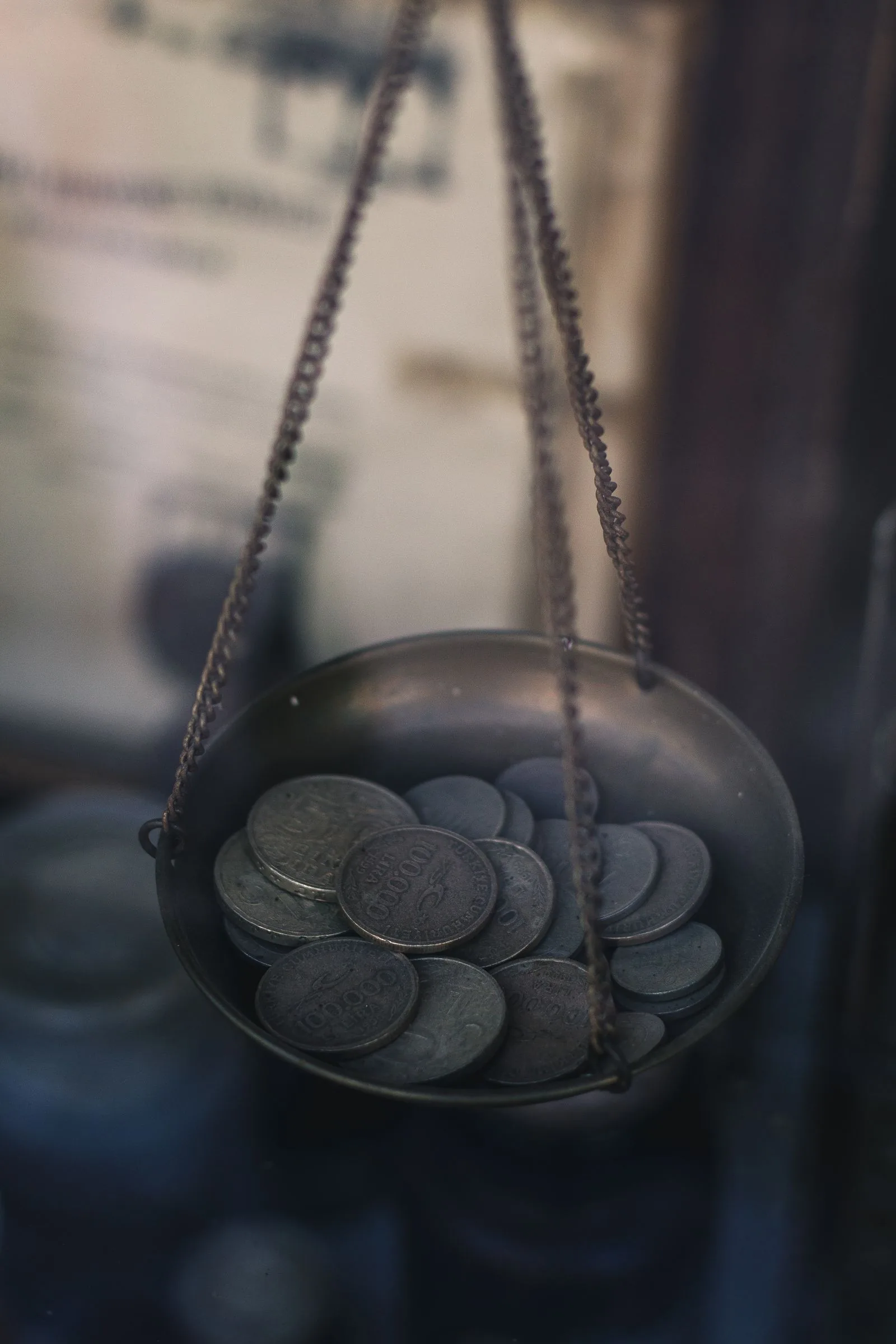
Consignment means a dealer, auction house or platform sells the watch for you while you still own it, and keeps an agreed share of the sale price when it sells. You get more say over the price than with a buy-in, but you are paid only once a buyer is found and the sale has settled.
Each consignor sets its own terms, so there is no standard rate to quote. Before you hand the watch over, get a written agreement and a receipt that records the serial number and condition, with photos. The agreement should say:
- the commission or fee, and whether VAT is added;
- the minimum price you will accept, and who can change it;
- how long the watch will be offered, and what happens if it does not sell;
- who insures the watch while it is held, and for how much;
- how soon after the sale you will be paid;
- any charge for taking the watch back early.
Auction houses commonly charge a fee if you withdraw a watch after it has been consigned, and some charge for handling an item that does not sell. Ask for these in writing before you hand the watch over.
How much does it cost to sell a watch at auction?
The seller usually pays a commission on the hammer price plus VAT, and sometimes other charges per lot, such as a marketing fee or an insurance (loss and liability) charge. Each house sets its own rates in its terms of business, and some agree terms case by case, so get the full list of charges in writing and work out what you would receive at the low estimate.
Buyers pay a premium on top of the hammer price, which affects how high they bid; auction fees from the buyer’s side shows how that adds up. Ask the house for its estimate, the reserve you can set, the sale date and how long after the sale you will be paid.
What happens if your watch doesn’t sell? A lot that fails to reach its reserve is “bought in”, meaning it doesn’t sell and stays with you. Some houses charge a fee for an unsold lot even though no sale happened, to cover cataloguing and marketing costs, and some offer to re-enter it in a later sale, sometimes at a reduced estimate. Ask what happens to an unsold lot, and whether there’s a charge, before you consign, not after the sale.

Can you sell a watch safely on Chrono24 or eBay?
Yes, if you keep the whole deal, including payment, inside the platform and follow its shipping rules. Both platforms run their own payment process, so the buyer’s money passes through them rather than straight to you. Most fraud aimed at online sellers starts with a request to move off the platform or to accept a payment the platform cannot see.
Watchscanning says Chrono24 is paid through a seller-side commission of about 6.5%, kept when the payout to the seller is released (Watchscanning, updated 23 July 2026). Check the rate on Chrono24’s own sell page before you list, as platforms change their fees. How Chrono24’s checkout works covers the process from the buyer’s side, which is the side your buyer will be checking.
eBay says it is free for UK-based private sellers to sell on eBay, except for listings in its motors categories, though fees still apply to some extras, such as optional listing upgrades and sales delivered abroad (eBay, updated 30 September 2026). A dealer who sells regularly is a business seller and pays business fees.
On either platform, describe the watch exactly as it is, with clear photos of the dial, case, caseback, clasp and papers. Send it insured and signed for, with the declared value matching the sale; shipping a watch safely covers couriers and cover.

How do you sell a watch privately without being scammed?
Do not release the watch until the full payment shows as cleared in your own bank account, checked by logging in yourself, not through a link in an email. Refuse overpayments, couriers you did not arrange and payment through unfamiliar services. Meet in a public place, and describe the watch accurately, including any faults.
If a buyer offers to pay by PayPal. This can be safer than a bank transfer for you as the buyer, but as the seller it is worth understanding what you’re accepting. PayPal’s Seller Protection covers you against an “Item Not Received” dispute and some unauthorised-transaction claims, provided you can show proof of tracked shipment or delivery to the address on the transaction, sent within the platform’s timeframes. It does not require a watch to be in any particular condition to qualify, but a “significantly not as described” claim from the buyer sits outside standard Seller Protection, which matters if your description turns out to have been generous (PayPal, Seller Protection, checked 29 October 2026). Describe the watch’s condition precisely, photograph everything before you send it, and ship with tracking that updates to “delivered” if you want the cover to apply.
Fraud linked to buying and selling online is common. UK Finance counted 175,809 purchase scam cases in 2025, with losses of £118.1 million, and says purchase scams made up 71% of all authorised push payment scam cases that year (UK Finance, Annual Fraud Report 2026). An authorised push payment scam is one where a person is tricked into authorising a payment to a fraudster. UK Finance says purchase scams usually involve an online platform such as an auction website or social media.
Police Scotland’s advice to people selling on online marketplaces includes these steps:
- check buyer profiles carefully;
- look out for fake payment confirmation emails;
- refuse to pay unexpected fees, such as courier insurance;
- be wary of fake overpayments with a request to pay back the extra money;
- wait for confirmed payment before you send anything;
- report any suspicious activity to the platform you are using.
The law also applies to you as a seller. Under the Sale of Goods Act 1979, there is an implied term that goods sold by description will correspond with the description (section 13). The implied term that goods are of satisfactory quality applies where the seller sells in the course of a business (section 14(2)), so a private seller is not bound by it, but a watch described as “serviced last year” or “all original” must be exactly that.
If you are targeted, stop, keep the messages and listing, and report it to the platform. In England, Wales and Northern Ireland, the national service is Report Fraud, which replaced Action Fraud on 4 December 2025 (Warwickshire County Council, 2025). In Scotland, Police Scotland takes reports online, by phone or in person.
What paperwork do you need to sell a watch?
Gather the original box and papers or warranty card, the purchase receipt, any service invoices, and spare links. Expect a careful buyer to ask for the serial number before paying so they can run a stolen-property check. A dealer may ask for ID and proof that you own the watch.
Papers that match the serial number make a watch easier to sell on any route; what a full set includes lists the pieces buyers look for. Give the serial number when asked, as honest buyers will want to run stolen-property checks, and keep a photo of it yourself. If you want a figure before you choose a route, getting a watch valued explains the different kinds of valuation and what each is for.
Frequently asked questions
What is the quickest way to sell a watch in the UK?
A dealer buy-in is usually the quickest route, because there is one buyer and no listing period. Get the offer in writing and confirm the payment has cleared in your own account before you hand the watch over.
Is part-exchange better than selling my watch for cash?
It depends on the numbers. Ask the dealer for the cash offer, the part-exchange allowance and the price of the watch you are buying, then compare what you would pay overall under each option.
How much does Chrono24 charge sellers?
Watchscanning reported a seller-side commission of about 6.5% in July 2026, taken when the payout is released. Check the current rate on Chrono24’s sell page before listing, as fees can change.
Does eBay charge private sellers to sell a watch?
eBay says it is free for UK-based private sellers, except for motors listings, with fees for some extras such as listing upgrades and international delivery (eBay help page, updated 30 September 2026).
What does an auction house charge to sell a watch?
Each house sets its own terms: usually a seller’s commission on the hammer price plus VAT, and sometimes per-lot marketing or insurance charges. Ask for the full list in writing before you consign.
What is consignment?
Consignment is when a dealer, auction house or platform sells your watch for you while you still own it, keeping an agreed share when it sells. Get a written agreement covering the fee, minimum price, insurance and payment date.
How do I avoid fake buyers when selling a watch?
Keep payment inside the platform, check that money has cleared by logging in to your own bank account, refuse overpayments and unexpected fees, and never send the watch before payment is confirmed (Police Scotland).
Do I need the box and papers to sell a watch?
No, but they help. Original papers that match the serial number, a receipt and service history give buyers more confidence on every route.
Do I have to tell a buyer about faults if I sell privately?
A private seller must describe the watch accurately, because the goods must match the description (Sale of Goods Act 1979, section 13). Describing known faults in writing protects you if the buyer later complains.
Where do I report a scam?
Report it to the platform first. In England, Wales and Northern Ireland, report fraud to Report Fraud, which replaced Action Fraud in December 2025. In Scotland, report it to Police Scotland.
This page is general information, not financial or legal advice.
Sources (checked 29 October 2026)
- Watchscanning, Is Chrono24 legit? (updated 23 July 2026)
- eBay, selling fees (updated 30 September 2026)
- GOV.UK, VAT rates
- UK Finance, Annual Fraud Report 2026 (purchase scam figures for 2025, pages 37–38)
- Police Scotland, online marketplace fraud
- Warwickshire County Council, Report Fraud has replaced Action Fraud (4 December 2025); Report Fraud
- Sale of Goods Act 1979, section 13 and section 14
- Consumer Rights Act 2015, section 22
- PayPal, Seller Protection
We check the facts in this guide against the sources named, and it is correct to the best of our knowledge as of October 2026. Rules, rates and sellers' terms change, so confirm the details with the seller, or with a professional, before you buy.