A watch valuation is a written opinion of a watch’s value for a stated purpose, and the purpose changes the figure. An insurance valuation states what it would cost to replace the watch. A market or sale valuation estimates what it would sell for. A probate valuation for Inheritance Tax uses the price it might be expected to fetch on the open market on the date of death. Ask for the kind you need.
A valuer is a person who prepares that written opinion, usually after inspecting the watch. This guide is general information, not financial or legal advice. It gives no figures for any watch.
What is a watch valuation?
It is a document, usually signed and dated, that identifies a watch by its make, reference and serial number, records its condition and what came with it, and gives a value for one purpose. It is an opinion at a point in time, not an offer to buy. A dealer’s offer is a different thing.
The difference matters when you compare numbers. A replacement figure on an insurance valuation answers “what would a new or equivalent watch cost me today?” A dealer’s offer answers “what will this dealer pay, after its own costs?” Those two figures are meant to differ; how dealers set their offers explains why.
What are the different kinds of watch valuation?
There are three main kinds: an insurance valuation, which usually uses replacement value; a market or sale valuation, which estimates what the watch would sell for; and a probate valuation for an estate, which uses open market value on the date of death. An online estimate is a fourth, informal kind, based on data rather than an inspection.
| Kind | The question it answers | Who usually provides it | Basis, as published |
|---|---|---|---|
| Insurance valuation | What would it cost to replace the watch? | A registered valuer or jeweller | Allianz advises insuring items for their replacement value, not their second-hand value |
| Market or sale valuation | What might it sell for now? | Dealers, auction specialists, valuers | The route matters: a dealer’s offer, an auction estimate and a private asking price are different figures |
| Probate valuation (Inheritance Tax) | What might it fetch on the open market at the date of death? | A professional valuer, or the executor using market evidence | Inheritance Tax Act 1984, section 160: the price the property might reasonably be expected to fetch if sold in the open market at that time |
| Online estimate | Roughly where similar watches are listed or sold | Websites and price tools | Listing and sale data; no inspection of your watch |
Sources: Allianz, jewellery and valuables insurance; Inheritance Tax Act 1984, section 160; GOV.UK, estimate the estate's value. All checked 29 October 2026.
For an estate, GOV.UK says that for items such as cars, jewellery and paintings you should work out how much you would have got if you had sold them, and that you can search for similar items on online marketplaces to do this. Values are taken at the date of death. If the estate is above the Inheritance Tax threshold, which GOV.UK gives as £325,000, you will need to provide valuations for the assets (GOV.UK, checked 29 October 2026).
What if the estate is near or under the Inheritance Tax threshold?
The £325,000 figure is the basic nil-rate band, the amount an estate can be worth before Inheritance Tax is due, and it is not the only threshold that can apply. Where one spouse or civil partner dies and leaves their estate to the survivor, any part of their nil-rate band that was not used does not disappear: GOV.UK’s guidance on transferring the threshold says the unused percentage can be transferred to the surviving partner’s estate, so that when the second partner dies, their own estate benefits from both nil-rate bands (GOV.UK, Inheritance Tax: transfer of threshold, checked 29 October 2026). The transfer is calculated as a percentage, not a fixed sum, so it is worked out separately for each estate.
A worked illustration, using the mechanics GOV.UK sets out rather than any real estate: if a first spouse’s entire nil-rate band was unused at their death, 100% transfers to the survivor. Applied to the survivor’s own nil-rate band later, that can roughly double the combined threshold before tax is due, which is one reason a modest watch collection, on its own, often will not need a formal valuation purely to establish whether tax is owed. The personal representative claims the transfer using form IHT436, and must still include the amount and supporting detail on the Inheritance Tax return.
This does not remove the need to value a watch collection fairly between beneficiaries, even when no tax is due. If three siblings are each due a third of an estate that includes watches, furniture and a property, a written valuation of the watches is still useful so the executor can divide the estate without one beneficiary feeling the watches were under- or over-valued against the other assets. GOV.UK’s general approach, working out what the items would have sold for and keeping dated records of the comparison, applies whether or not the estate ends up paying any tax.
Valuing a watch for divorce or a dispute between heirs
A watch, or a collection of them, can become one asset among many that need a value put on them during a divorce or a dispute between people inheriting from the same estate. Neither of those is covered by the insurance, sale or probate categories above on its own; in practice, the figure used is usually a market or sale value, agreed between the parties or their solicitors, or provided by an independent valuer neither side has a connection to.
Independence matters more here than in most other contexts, because each side may otherwise have reason to prefer a higher or lower figure. A valuer who also deals in watches, and who might end up buying the piece, is not well placed to give a figure both sides can rely on for this purpose; a registered valuer with no buying interest in the watch is the safer choice. Ask whether the valuer has any commercial relationship with either party before instructing them, and get the valuation basis agreed in writing before the inspection, since “market value” can still be read differently by different people.
Valuing a damaged, non-running or incomplete watch
A watch that does not run, has a cracked crystal or dial, or is missing its bracelet or box can still be valued, but the figure reflects its condition as found, not what it would be worth repaired. A valuer will usually note the fault on the document, for example “movement not running at time of inspection”, rather than estimate a post-repair value, because the cost and outcome of a repair are not certain until a watchmaker has opened the movement.
If you plan to insure the watch for its repaired, working value, say so and ask the valuer to state that basis clearly, since an insurer reading “value as seen, not running” very differently from a replacement figure for a fully working equivalent. For a sale or probate valuation, by contrast, the as-found condition is usually the right basis, because that is what a buyer would be assessing. Condition grades explained covers how sellers and valuers describe wear and damage in more detail.
Who can value a watch in the UK?
Jewellers, specialist watch dealers, auction houses and independent registered valuers all value watches. For insurance, many people use a valuer who belongs to a professional body. For a sale figure, the people who buy and sell watches give the most direct answer, though each is looking at the watch from its own side of the deal.
The Institute of Registered Valuers (IRV) describes itself as an authority on jewellery, watch and silverware appraisal. It has operated since 1987 and is regulated by the National Association of Jewellers. Its members and fellows follow a code of practice, complete ongoing professional development and have a professional review every five years, and the NAJ runs a “find a valuer” search (NAJ, checked 29 October 2026). Allianz suggests the IRV as a starting point for finding a registered valuer near you.
Before you book, ask:
- Which kind of valuation will this be, and what basis will it use?
- Will the valuer open the caseback, or only examine the outside?
- What is the fee, and is it fixed or based on the value?
- Will the document list the serial number, reference, condition and accessories?
- Does your insurer accept valuations from this valuer?
An auction house can give an estimate if you are thinking of consigning, and a dealer will make an offer. Both are useful, but neither is an independent valuation, because each may end up on one side of the sale. The routes for selling a watch compares them.
How much does a professional watch valuation cost?
Fees vary by valuer and are usually set per item, not as a fixed industry rate, so ask before you book. Some jewellers and valuation firms publish a flat fee per watch; others price by the time the inspection takes, or scale the fee to the item’s value. As one published example, the Assay Office’s 2025 valuation price list sets a flat fee of £65 for a watch valuation, plus a £4.35 order-handling charge, postage at cost, and VAT at the standard rate; it also lists a 100% surcharge for a same-day service and 50% for next-day, where available (The Assay Office, 2025 price list, checked 29 October 2026). That is one firm’s own published pricing, not a market average, and other valuers charge differently, so treat it as an illustration of the kind of fee structure to expect rather than a quote.
A few points worth asking about alongside the headline fee:
- Per item or per visit. A valuer seeing several pieces at once, such as a small watch collection or an inherited set of jewellery and watches, may charge less per item than for a single watch.
- Minimum charges. Some valuers set a minimum fee regardless of value, which matters if you are only valuing one modestly priced watch.
- Updates versus new valuations. A few valuers charge less to update an existing valuation than to write a fresh one, since some of the identifying work is already done.
- Travel or home-visit fees. If the valuer comes to you rather than you bringing the watch in, ask whether that carries an extra charge.
What does a valuer need to see?
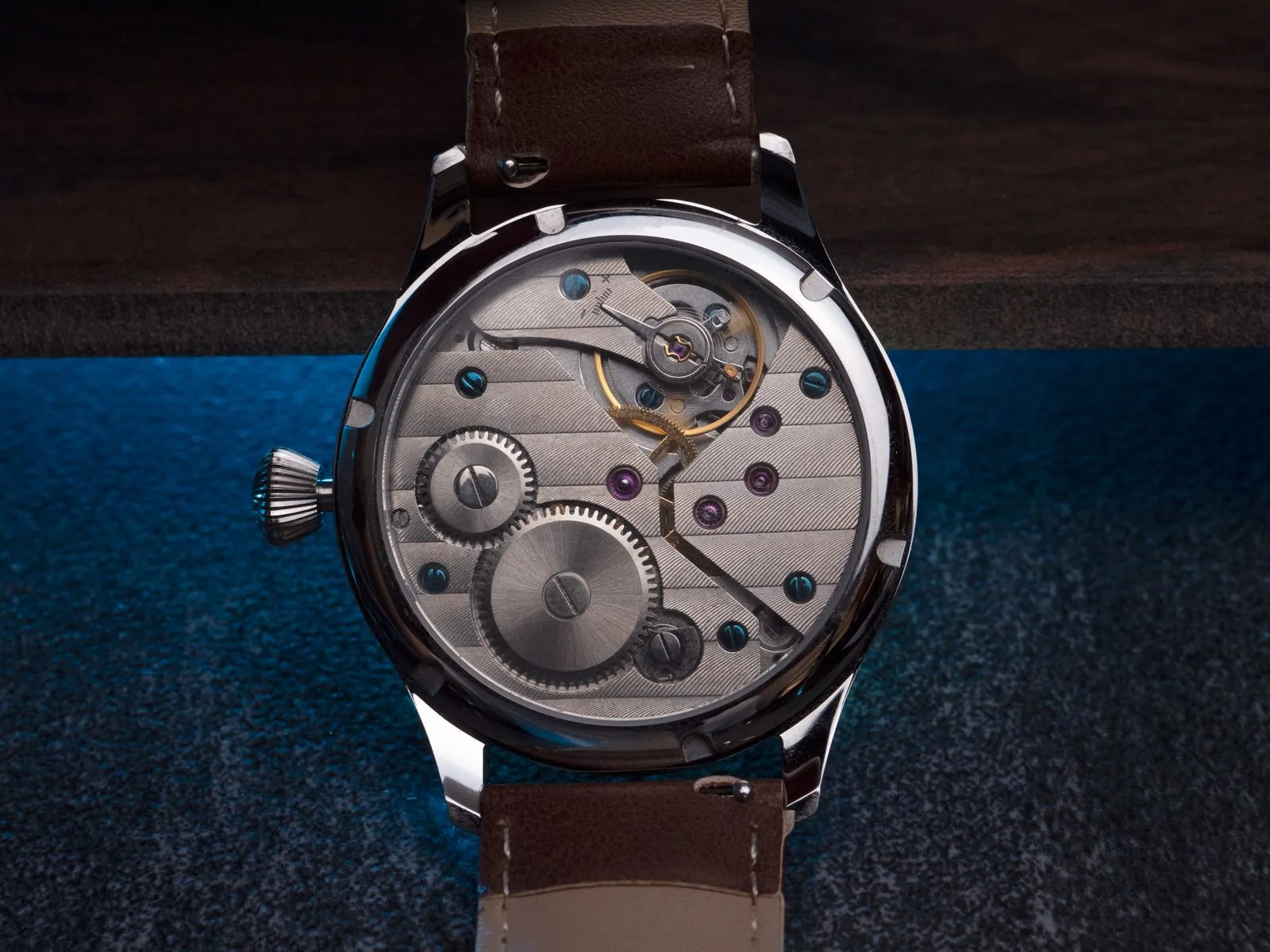
The watch itself, plus anything that proves what it is and where it came from: the box, papers or warranty card, the purchase receipt, service invoices, spare links and any previous valuation. The valuer will record the serial and reference numbers and the condition, so the document can be matched to that exact watch.
The papers matter because they tie the watch to its history. A complete box and papers explains what a full set includes, and finding the serial and reference shows where the numbers are usually engraved. Condition is described in the valuer’s own words or a grade; how condition grades are used explains the common labels and their limits.
For insurance, Allianz advises keeping proof of value and proof of ownership, such as receipts, photographs and valuation certificates, somewhere safe, with copies stored away from your home if possible and separate from the items themselves (Allianz, checked 29 October 2026). A copy of the valuation stored apart from the watch is useful after a theft.

How do online watch valuations work?
Online estimates work from data: prices of similar watches listed for sale, and on some tools, prices from completed sales. They are quick and free to try, but nobody has inspected your watch, checked its papers or opened the case, so the result is a starting point. It is not a valuation document.
Three things limit what an online figure can tell you:
- Asking prices are not sale prices. A listing shows what a seller hopes for. Where a tool uses sold data, it is closer to what buyers paid.
- Condition and papers move the figure. A tool may not know whether your watch is polished, serviced, missing its box, or fitted with replacement parts.
- References vary. Two watches from the same model family can have different references, dials and materials. Search by the exact reference.
If you use online listings for an estate, as GOV.UK suggests, save screenshots with dates and links, and compare watches in similar condition with similar papers. The same approach helps if you are checking an insurance figure against the market.
How often should a watch be revalued?
There is no fixed rule. Allianz says luxury watches should be valued regularly, as their replacement costs can increase significantly over time, and advises reviewing your cover at each renewal (Allianz, checked 29 October 2026). Check whether your policy sets its own requirement.
Some policies set conditions on inspections or valuations for high-value items, so read your schedule. Insuring a valuable watch covers single-item limits, specified items and the conditions that can affect a claim.
Frequently asked questions
What is the difference between an insurance valuation and a sale value?
An insurance valuation usually states the cost to replace the watch. A sale value estimates what it would fetch. Allianz advises insuring for replacement value, not second-hand value, so the two figures are expected to differ.
How is a watch valued for probate?
For Inheritance Tax, property is valued at the price it might reasonably be expected to fetch on the open market at the time (Inheritance Tax Act 1984, section 160). GOV.UK says values are taken at the date of death.
Can I value a watch myself for an estate?
GOV.UK says that for items such as jewellery you should work out how much you would have got if you had sold them, and that you can search online marketplaces for similar items. A professional valuation may help for a high-value watch.
Who does watch valuations in the UK?
Jewellers, specialist dealers, auction houses and registered valuers. The Institute of Registered Valuers, regulated by the National Association of Jewellers, runs a “find a valuer” search on the NAJ website.
Is a dealer’s offer the same as a valuation?
No. An offer is what that dealer will pay after its own costs. A valuation is an opinion of value for a stated purpose, such as insurance, and is not an offer to buy.
What should I bring to a watch valuation?
The watch, its box and papers or warranty card, the purchase receipt, service invoices, spare links and any earlier valuation. The valuer will record the serial and reference numbers and the condition.
Are online watch valuations accurate?
They are a starting point. They use listing or sale data and have not seen your watch, its condition or papers. Asking prices are not sale prices.
How often should I get my watch revalued?
There is no set interval. Allianz says luxury watches should be valued regularly and suggests reviewing cover at each renewal. Your policy may set its own conditions.
Does a valuation need the serial number?
A valuation should identify the exact watch, so valuers normally record the serial and reference numbers. That lets an insurer, buyer or executor match the document to the watch.
Can an unused nil-rate band from a late spouse reduce the need for a watch valuation?
It can reduce or remove any Inheritance Tax due, but it does not remove the need for a valuation shown fairly between beneficiaries. GOV.UK’s transfer-of-threshold guidance lets an unused percentage of a deceased spouse’s nil-rate band pass to the survivor’s estate, which can roughly double the combined threshold in some cases, but the personal representative still has to claim it on form IHT436 with supporting figures.
How is a watch valued if it does not run or is damaged?
As found, not as if repaired. A valuer records the fault, such as a stopped movement or a cracked crystal, and values the watch in that condition. Say clearly if you want a valuation on the basis of its repaired or replacement value instead, since that is a different figure.
Who should value a watch in a divorce or a dispute between heirs?
An independent valuer with no commercial relationship to either party and no interest in buying the watch, so the figure is not open to challenge from either side. Agree the valuation basis in writing before the inspection.
This page is general information, not financial or legal advice.
Sources (checked 29 October 2026)
- Allianz, jewellery and valuables insurance (replacement value, professional valuations, proof of value, revaluing)
- Inheritance Tax Act 1984, section 160 (market value)
- GOV.UK, estimate the estate’s value (valuing possessions; Inheritance Tax threshold)
- GOV.UK, Inheritance Tax: transfer of threshold (transferable nil-rate band, form IHT436)
- National Association of Jewellers, Institute of Registered Valuers
- The Assay Office, valuation price list 2025 (one published example of valuation fees)
We check the facts in this guide against the sources named, and it is correct to the best of our knowledge as of October 2026. Rules, rates and sellers' terms change, so confirm the details with the seller, or with a professional, before you buy.